Gear
BJJ Gi Collar Thickness: Does It Matter During Training?
Collar thickness affects comfort, grip control, durability, and how your uniform feels during practice. Here's how to decide what works for you.
Brazilian Jiu-Jitsu (BJJ) Gis are designed to handle gripping, pulling, and repeated movement during training. One important part of a Gi is its collar. Collar thickness can affect comfort, grip control, durability, and how the uniform feels during practice.
Whether you are a beginner or an experienced practitioner, understanding collar thickness can help you choose a Gi that suits your training needs.
What Is BJJ Gi Collar Thickness?
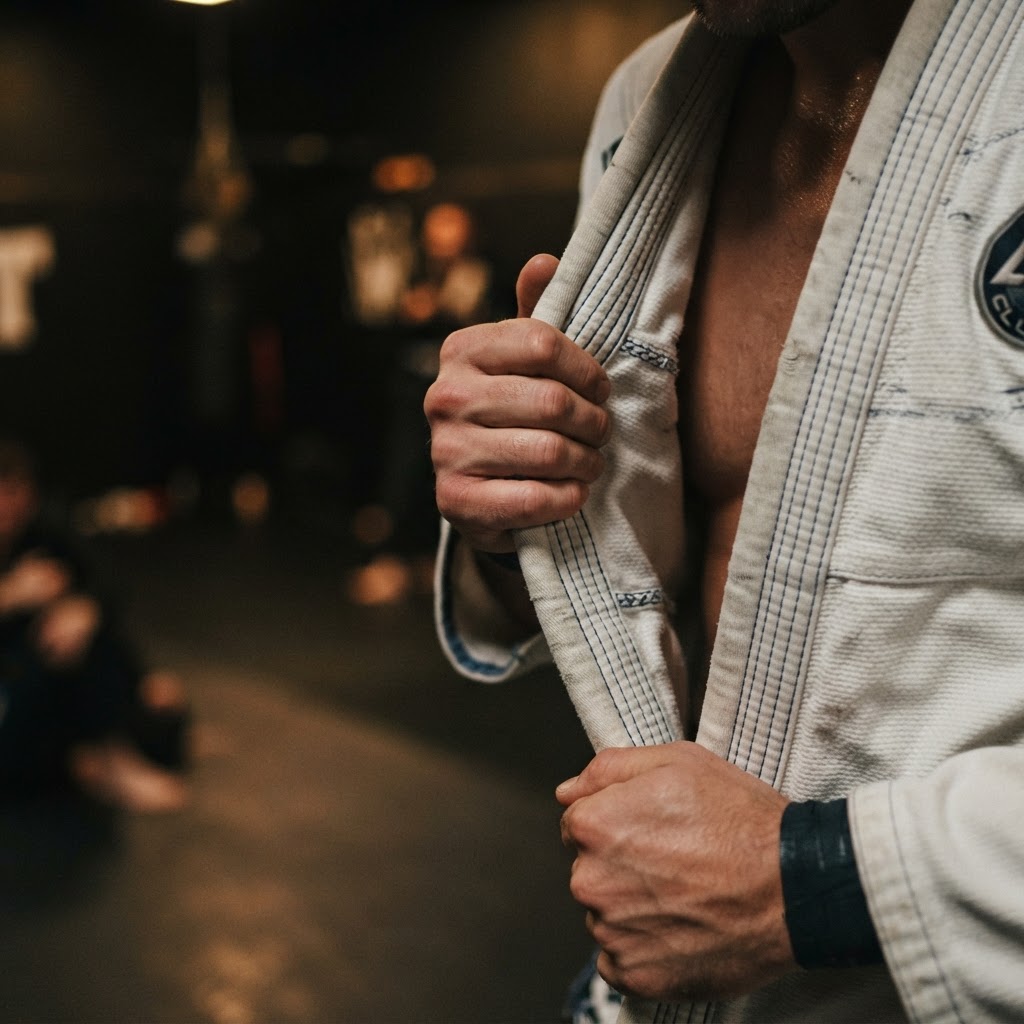
The collar is the padded section around the neck of a BJJ Gi jacket. It is commonly made with reinforced fabric and stitching to withstand the pulling and gripping that happen during training.
Some Gis have thicker, firmer collars, while others feature lighter or more flexible designs. The right option depends on your personal preference, training style, and comfort.
When exploring different options, you can compare styles from Elite Sports to find a Gi that fits your needs.
How Does Collar Thickness Affect Training?
1. Grip Control
The collar is one of the main areas used for gripping in Gi BJJ. During training, opponents may hold the collar to control posture, create angles, or set up techniques.
A thicker, firmer collar can feel more structured when gripping. A thinner or softer collar may feel more flexible and easier to handle for some practitioners. However, grip control also depends on the fabric, stitching, fit, and the technique being used.
2. Comfort Around the Neck
Comfort is important during long training sessions. A very stiff collar may feel restrictive to some people, especially when they are new to BJJ. A softer collar may provide a more flexible feel, although personal preference plays a major role.
The collar should feel secure without causing unnecessary discomfort. A well-fitting Gi can help you move naturally while practicing techniques and defending against collar grips.
3. Durability and Construction
BJJ training places repeated stress on the collar because it is frequently pulled and gripped. A well-constructed collar with strong stitching can help the Gi withstand regular use.
Thickness alone does not determine durability. The quality of the material, reinforcement, stitching, and overall construction also matter. Proper washing and care can help maintain the collar over time.
4. Movement and Flexibility
A thick collar may feel firm and structured, while a thinner collar may offer more flexibility. Neither design is automatically better for every practitioner.
Your choice should allow you to move comfortably, practice techniques, and participate in regular training without feeling distracted by your uniform.
Is a Thicker BJJ Gi Collar Better?
Not necessarily. A thicker collar may provide a firmer feel, but that does not mean it is always the best choice. Some practitioners prefer a more structured collar, while others prioritize flexibility and comfort.
When choosing a Gi, consider how often you train, how the collar feels around your neck, and whether the uniform is suitable for your training needs. It is also useful to check your academy's requirements and any competition rules that apply to your Gi.
Choosing the Right Gi for Men and Kids
Different practitioners may have different fit and comfort requirements. When selecting a Gi, consider the size, sleeve and pant length, fabric, stitching, and collar construction rather than focusing on thickness alone.
For adult practitioners looking for suitable training uniforms, explore the men's BJJ Gi collection.
For younger athletes, choosing a comfortable and properly fitted uniform is especially important. Parents can explore the kids BJJ Gi collection to find options for young practitioners.
Regardless of age or experience, the Gi should allow comfortable movement and be suitable for regular training.
How to Maintain Your BJJ Gi Collar
Taking care of your Gi can help preserve its collar and overall construction. Follow these simple practices:
- Wash after training: clean your Gi regularly to remove sweat and odor.
- Follow the care label: use the washing instructions provided by the manufacturer.
- Avoid excessive heat: high temperatures may affect fabric and contribute to shrinkage.
- Inspect the stitching: check the collar and seams for loose threads or signs of wear.
- Store it properly: allow your Gi to dry completely before putting it away.
Consistent care helps keep your uniform clean and ready for your next session.
Final Thoughts
BJJ Gi collar thickness does matter, but it is only one factor to consider when choosing a uniform. A thicker collar may feel firmer, while a thinner collar may offer greater flexibility. Comfort, construction quality, fit, and durability are equally important.
Choose a Gi that suits your training style and feels comfortable during practice. By considering these factors and taking proper care of your uniform, you can make a more informed choice for your BJJ training.
Explore more BJJ training gear and uniforms from Elite Sports.